What is a device app?
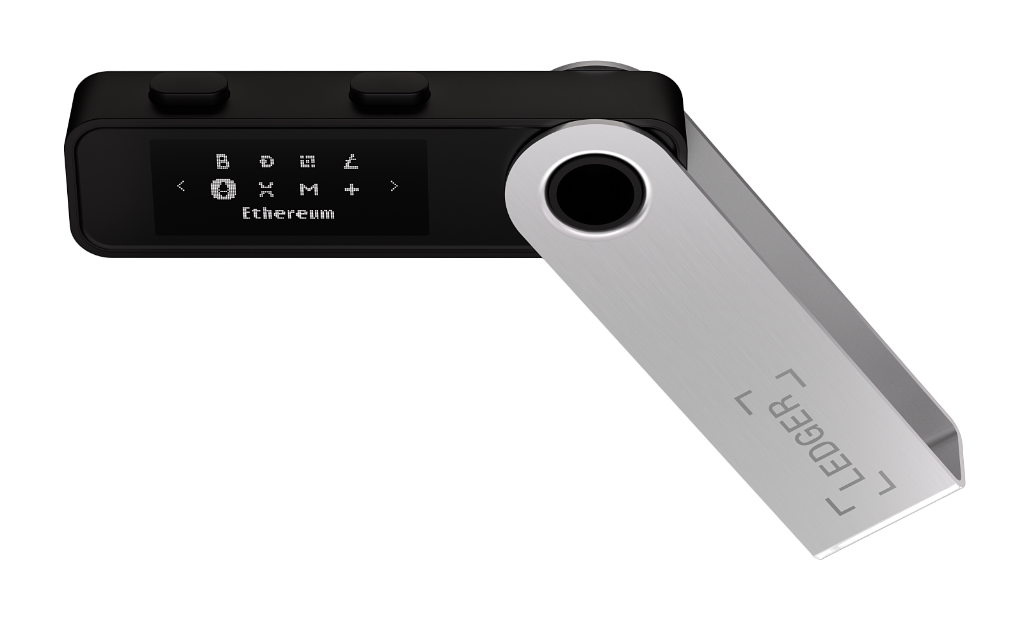
A device app runs directly on your Ledger signer and gives users a secure way to manage crypto assets and interact with blockchain protocols. There are three types of device apps: classical device apps, dApp plugins, and utility applications.
The renaming of “Ledger Live” to “Ledger Wallet” and “wallet” (in the hardware sense) to “signer” is still in progress. This page may contain legacy references that will be updated.
Classical device apps
A classical device app allows users to manage their crypto assets with their Ledger signer. It is the first step toward integrating your coin or token into the Ledger ecosystem and into Ledger Wallet. The following sections will help you develop this type of application. For more information about the role of the Ledger device app, read this Academy article .
dApp plugins
dApp plugins are developed to integrate an Ethereum dApp into Ledger Wallet, which has a dApp browser where your dApp will be visible and usable through an iframe. Ethereum dApps can be developed for example to lend or borrow, swap, trade, pay with crypto assets, or manage your portfolio. The documentation for dApp plugins is in the Live App section.
For a dApp plugin to be able to sign transactions on a Ledger signer, you need to develop a small, specific application relying on the Ethereum application environment. This type of application is called a plugin.
Utility applications
Utility applications leverage Ledger technology but are not involved in managing crypto assets. Examples include a password manager application or a two-factor authentication application.
You are developing a classical device app, a utility application, or a plugin — you are in the right section.
Next steps
- Getting started — overview of the device app development journey.
- App boilerplate — fork the official boilerplate to begin your project.
- Architecture diagram — how a device app fits into the Ledger system.
